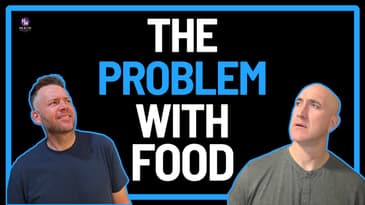
In this candid clip from The Health Movement Podcast, nutrition coach Joe Orton cuts through the confusion: healthy eating isn’t about secret formulas – it’s about simple science and hard habits. Joe argues that eating healthy is simple but not easy. The core advice? Fill up on whole foods (fiber, protein, veggies) and cut back on junk (soda, chips, fast food). Our food environment – packed with ultra-processed meals and snacks – makes that simple goal really tough. Research backs him up: people who eat the most ultra-processed foods (think frozen pizza, sugary cereal, prepackaged snacks) tend to have higher BMI, larger waistlines and chronically higher insulin levels
health.harvard.edu
. In plain terms, the modern diet keeps insulin high, which actually increases hunger and cravings
pubmed.ncbi.nlm.nih.gov
.
Joe is clear: you know what to do (eat less junk, more fiber/protein) but actually doing it day-to-day takes discipline. He explains how constant insulin spikes from refined carbs fuel fat storage and cravings – a vicious loop that slows metabolism. (Indeed, studies show that driving insulin up causes people to eat more and feel hungrier
pubmed.ncbi.nlm.nih.gov
.) By contrast, eating slowly and swapping fiber-rich foods into meals can dampen those spikes. The science is simple: control insulin and you help reset your metabolism for fat loss. But breaking habitual snacking and navigating restaurants and convenience foods – that’s the hard part Joe emphasizes.
Key Insights from This Clip
Cravings & Insulin: Ultra-processed carbs and sugars send insulin sky-high, which in turn ramps up hunger and sweet cravings
pubmed.ncbi.nlm.nih.gov
. Big Food designs meals to keep us hooked. Joe highlights that when insulin stays elevated (from constant snacking), fat loss stalls and cravings persist.
Food Environment: Our surroundings shape habits. Busy schedules and convenience lead to grabbing packaged foods, even when we know better. Creating a “healthy default” (e.g. prepping veggies, keeping fiber on hand) is a simple strategy Joe recommends to avoid mindless overeating.
Simple Science, Hard Habits: The formula is straightforward (eat real food, move more, eat a bit less) but putting it into practice is tough. Fat loss is essentially a math and habit problem – science tells us it works, but it means saying no to extra portions and sugary treats.
Fat Loss Focus: Joe reminds us that sustainable fat loss comes from consistent habits, not quick fixes. Rapid-weight-loss drugs or diets may cut weight, but often at the expense of muscle or long-term health. Instead, slowing down insulin cycles and creating small, daily wins is the “easy” solution – even if it’s not easy to do.
🎥 Watch the full episode (Joe Orton on insulin, cravings & metabolism): https://youtu.be/KCeizFR4oFE?si=ZnoshaaVeZ7QFciz. In the full conversation, Derek and Joe dive deeper into habit change, food order, fasting, GLP-1 drugs vs natural solutions, and more science-backed strategies for regaining control of your appetite and metabolism.
Sources: Clinical studies confirm that ultra-processed foods are linked to higher insulin and obesity
health.harvard.edu
, and that elevated insulin can increase hunger and calorie intake
pubmed.ncbi.nlm.nih.gov
. Joe Orton’s insights in this clip reflect these findings: healthy eating is backed by science, but changing habits in a processed-food world is the real challenge.